20 Myths About Big Clay Chiminea: Debunked


How to Build a Big Clay Chiminea
Clay potters with experience can create massive cylinders of the stuff with amazing skill. For the rest of us an enormous clay chiminea will need to find its permanent home right away as moving it could harm the clay.
Pick a location that is an open, fire-safe area and spread a layer of children's play sand. Chimineas made from clay can break when there are sudden changes in temperature and moisture.
Location
If you're looking for a method to warm your garden or patio, a large clay chiminea is an excellent alternative. These long and wide pieces of fire art look like chimneys, and are easy to light and keep the flames secure from wind. The chimney directs smoke upwards, reducing the heat they emit. They are also more secure than outdoor fireplaces. It is possible to cook food on them, but it's better to make use of a separate pan and grate for this.
There's also a wide range of styles and materials for these heaters. Clay and terracotta are traditional options however, you can purchase them in other metals, such as cast iron or steel. Cast iron is better to cook with because it can withstand higher temperatures. Chimines made of metal is able to be moved around more easily than clay or Terracotta.
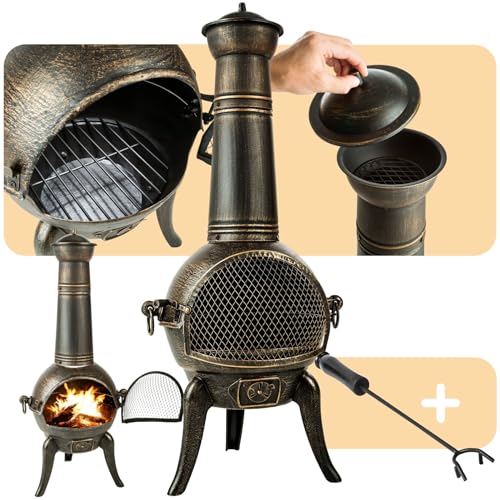
The ideal place to put your chiminea is a clear, open area where the chimney can vent correctly. Also, ensure that there aren't any trees or other flammable items near the chiminea. You can also place the chiminea directly on a brick patio or stone patio. However, you must ensure that it doesn't rest directly on pavers as this could cause cracks to appear.
You'll have to fill the chiminea's bottom with sand in order to stop it from becoming too hot when it's burning and also to prevent any kindling or paper from falling into the chiminea and burning. You must ensure that the chiminea topped up with ashes and sand, and you should also clean out the chimney each week to avoid the accumulation of ash. If you're not going to be using your chiminea, be sure that you cover it with a weatherproof cover and store it.
Consider placing your clay chimney on a raised platform to keep the chimney away from your home or other structures in your yard. It's a good idea also to keep it at least 10 to 20 feet away from your house. This is because it will become extremely hot and sparks may be released from the chimney.
Size
The size of your chiminea will depend on the space in which you plan to put it. If you have a large area in which to place the clay chiminea it could be advisable to select a larger one that can easily accommodate several people and provide plenty of heat for them to take pleasure in.
Alternatively, if you have an area that is smaller to locate the clay chiminea, it may be better to opt for a small model that can comfortably accommodate just a few people, and offer enough warmth for them all to sit around comfortably.
The clay chimineas are typically made of terracotta clay, however they can also be found in cast iron and other materials. Clay models are more susceptible to damage than their metal counterparts, however proper use and maintenance will ensure they last longer. Both types of chimineas should be placed on flat, stable surfaces to prevent them from falling over and causing damage to decks or other outdoor furnishings.
It is essential to set your clay chiminea up on a base of sand or a non-flammable materials, as this will protect your decking and patio flooring from scorching and burns. Fill the clay chiminea's bottom with sand or volcanic rock. This will prevent the sand or rock from burning or getting too hot to touch. It also helps reduce the heat stress on the clay material in the first few times that you use your chiminea.
The sand or the rock will also allow you to add or remove firewood as required and will provide you a smooth surface to place your grill on when cooking outside. After you've finished using your chiminea, it's important to let it cool down slowly and naturally on its own. If you try to accelerate the cooling process, it could cause stress on the ceramic, which could cause cracks or break the ceramic.
You should never put water on your chiminea because it could damage or destroy it. It is best to clean your chiminea regularly by cleaning off any ash and then brushing with steel wool or a soft-bristled tooth. It is recommended that you apply a mild soap and water to clean your clay chiminea. However, certain manufacturers recommend against using any acidic products on their products.
Style
Chimineas are a stunning addition to your backyard. Their chimneys direct smoke into the air, and their design lets them hold a large fire without having to worry about wind or rain. You might want to think about a clay or terracotta chiminea to add warmth and character to your outdoor area. They are also great for cooking.
Clay chimineas are constructed from fire-resistant materials and can withstand extreme temperatures. They come in a wide variety of colors and sizes, and some even have decorative accents that give them a unique look. They can be placed on any surface that is safe for fire, including concrete, brick and stone patios. They can be used to cook wood or other fuels, however you should not use them with charcoal.
Clay chimineas, like most ceramics and terracotta products, are best kept out of liquids and water. When not in use, you can store them inside a covered area or under a cover to keep moisture out. If you intend to use your chiminea for cooking purposes, ensure that you go over the user's instructions carefully. Certain models require special attention to avoid cracks, which can happen when the clay is exposed to sudden temperature changes.
Before lighting a fire in a chiminea, you should first fill it up with sand to about halfway. Fireplaces And Stoves will prevent the flames from extending into the sides of the unit and protect your patio furniture. It's best if you begin with a small fire. Clay chimineas heat up like gigantic radiators. A large fire can cause them to crack or explode.
It's also important to let your chiminea cool slowly. If you attempt to extinguish it with water or move it too fast, you can put the clay under stress and cause it to break. This is called heat stress. To avoid this, it is recommended to place your chiminea in a safe surface like a fire pit, and do not place it near a wooden deck or other type of wooden structure that is susceptible to fire.
Maintenance
Maintaining your clay chiminea properly is crucial to ensure that it works safely and lasts longer. Regular care, including using an appropriate cover, selecting the correct fuel, controlling the size of the fire, staying clear of accelerants, and performing routine inspections can significantly extend the lifespan of your chiminea.
Chimineas made of clay can crack and break, especially when not stored or used properly. If a clay chiminea breaks, you'll be able to repair it using simple methods and materials. If the chiminea has been broken into more than two pieces, it is recommended to replace it.
To avoid cracking it is important to set a chiminea on a non-flammable base. Use sand, lava rock, or pea gravel on the bottom of the chiminea bowl to absorb heat from the flames. It is recommended to clean the ashes and rocks after each use, since they will build up over time. You can also purchase a special clay chiminea cleaner to keep the ash free between uses.
When assembling your chiminea, be sure to carefully follow the manufacturer's instructions and put it in a well-protected area away from overhanging branches as well as wires and wooden fences. It is also crucial to make use of only natural wood for your fires and not briquettes or coal, since they can cause cracks in the clay chiminea.
You can fix a cracked chiminea using a bit of glue or putty. Before attempting to mend cracks, ensure the chiminea has dried completely. Sand the surface of a crack with medium-grit sandpaper, until it is smooth. If your chiminea has been painted you'll need to take off the paint and sand the unpainted clay beneath.
In the off-season, you can protect your Chiminea by covering it with an insulated chiminea lid that is waterproof. This will prevent water from damaging the clay and extend its life. It is also a good idea to keep the chiminea in the elements during the winter, as the temperature changes can cause it to crack and break. If you follow these simple tips you will be able to enjoy your chiminea throughout the year.